Healthcare is no longer defined solely by treating illness after symptoms appear. Advances in diagnostic tools, rehabilitation methods, restorative dentistry, and preventive care give patients more ways to address specific concerns while supporting everyday well-being. Many treatments emphasize personalized planning, less invasive procedures, and improved function. Still, innovation does not automatically make an option appropriate for everyone. Understanding what a treatment can accomplish, what evidence supports it, and what recovery might involve helps people make informed decisions.
An effective approach begins with identifying a genuine health need rather than choosing a service because it sounds new. Someone managing chronic discomfort may require a different plan from a person rebuilding mobility after an injury or restoring missing teeth. Age, medical history, personal preferences, and access to qualified professionals also affect the decision. Exploring the following areas shows how established services and newer techniques can complement one another within a thoughtful healthcare plan.
Connecting Primary Care With Personalized Needs
The foundation of innovative healthcare is often a familiar one: an ongoing relationship with a clinician who understands a patient’s medical history. Family care clinics can coordinate routine examinations, vaccinations, screenings, and treatment for common illnesses. They also help identify concerns that warrant specialized evaluation. This continuity matters because a symptom that appears isolated may relate to medication use, an existing condition, or changes in daily habits.
A clinician may recommend preventive testing based on age, family history, and individual risk rather than relying on a single schedule for everyone. Digital records and patient portals can make it easier to review results, track medications, and prepare questions before visits. These tools are most useful when they improve communication instead of replacing meaningful conversations.
Children benefit from an equally individualized approach. A local pediatrician can monitor growth, development, immunizations, and age-specific health concerns while explaining what parents should watch for at home. When developmental or behavioral questions arise, early discussions can help families determine whether further assessment is appropriate. Care should account for each child’s needs without treating normal differences as medical problems.
Primary care also helps patients navigate an increasingly complex range of services. Before beginning an unfamiliar treatment, sharing the full medical picture can reveal potential interactions or reasons to reconsider. Ideally, the result is a clearer plan that matches treatments to an actual goal. Needs can also change over time.

Using Lifestyle Medicine to Strengthen Prevention
Many health improvements depend less on sophisticated equipment than on repeated daily choices. Lifestyle medicine focuses on evidence-informed habits involving nutrition, movement, sleep, stress management, social connection, and avoidance of harmful substances. Rather than offering a quick fix, this approach considers how these factors influence long-term health and the management of chronic conditions.
A person experiencing low energy, for example, might benefit from examining sleep routines, physical activity, medications, and possible underlying illness before trying a wellness product. Someone with elevated blood pressure may need a combination of clinician-directed treatment and sustainable lifestyle changes. Individual circumstances matter, especially when physical limitations, work schedules, or financial constraints make standard recommendations difficult to follow.
Technology can support these efforts without becoming the center of care. Activity trackers may help people notice movement patterns, while food logs or sleep diaries can reveal habits worth discussing with a professional. However, measurements are only useful when interpreted in context. A device cannot independently diagnose the reason for fatigue, pain, or poor sleep.
Successful prevention is practical and adaptable. Small adjustments, such as regular walking, consistent bedtimes, or adding more nutrient-dense foods, can be easier to maintain than dramatic routines. People managing medical conditions should coordinate significant changes with their care team. By combining personalized guidance with manageable goals, prevention becomes a continuing process rather than another short-lived health trend.
Addressing Musculoskeletal Discomfort Through Targeted Care
Back stiffness, joint discomfort, and restricted movement can interfere with work, exercise, and ordinary household activities. Treatment may involve physical therapy, tailored exercise, medication when appropriate, or other approaches based on the underlying cause. Chiropractic services are among the options some people consider for certain musculoskeletal complaints, particularly back pain. Any decision should reflect symptom history, a proper assessment, and an informed discussion of benefits and risks.
Manual techniques may aim to improve movement or reduce discomfort, but no single approach works for every diagnosis. A person with persistent pain might also need strengthening exercises, adjustments to repetitive activities, and guidance on gradually returning to movement. Passive treatment alone may offer limited lasting benefit if the contributing habits or physical demands remain unchanged.
Warning signs deserve attention before scheduling hands-on treatment. New weakness, numbness, fever, major trauma, or changes in bladder or bowel control may require prompt medical evaluation. Neck manipulation also has potential risks that should be discussed with a qualified clinician. Patients should feel comfortable asking what a proposed technique involves and what alternatives exist.
A useful care plan defines success in functional terms. Walking comfortably, returning to recreational activities, or completing a workday with fewer limitations can be more meaningful than a vague promise to realign the body. Progress should be reassessed over time, with the plan changed if symptoms persist or worsen. Coordinating care across providers helps avoid unnecessary procedures and keeps attention on safe, measurable improvement.
Exploring Noninvasive Options for Comfort and Recovery
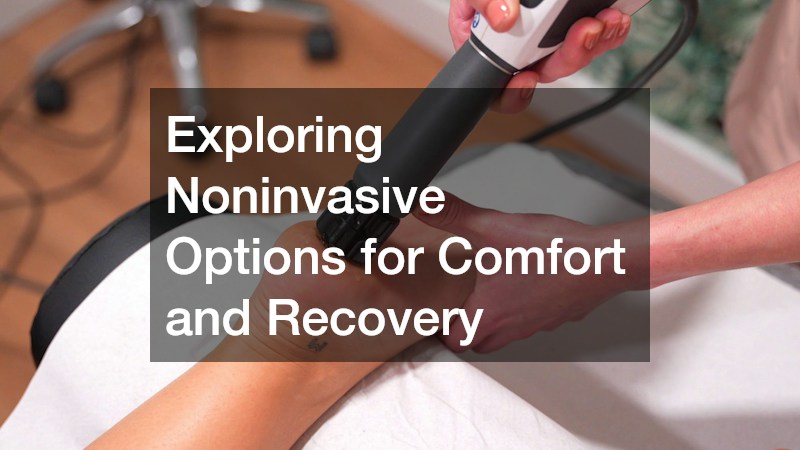
Not every emerging treatment involves surgery or prescription medication. Some options use controlled energy or heat to address symptoms, but their usefulness varies considerably by condition. Shockwave therapy services typically use externally applied acoustic pulses and may be considered for selected tendon problems or persistent plantar heel pain. The treatment is not appropriate for every injury, and the strength of supporting evidence differs among conditions.
Before starting, patients should ask about the precise diagnosis, expected number of sessions, potential discomfort, and realistic outcomes. Improvement may be gradual rather than immediate. A clinician should also explain whether exercise rehabilitation or other standard treatments are still necessary. Marketing descriptions that promise universal healing or guaranteed recovery deserve skepticism.
Another commonly discussed option is infrared sauna therapy, which uses radiant heat to create a warming experience. Some people find sauna sessions relaxing or helpful for temporary feelings of muscle soreness. However, claims that sauna use removes toxins or cures medical conditions are not established simply because the technology is promoted as innovative. Heat exposure can cause dehydration, dizziness, or overheating.
People with cardiovascular conditions, heat sensitivity, or other relevant health concerns should seek medical advice before trying a sauna. Appropriate session length, hydration, and attention to symptoms are important. A wellness service may support comfort or recovery without replacing diagnosis, rehabilitation, or necessary medical treatment. Evaluating the purpose of each option helps keep expectations realistic.
Improving Circulatory Health With Vein Treatments
Circulation concerns can affect appearance, comfort, and daily mobility. Varicose veins develop when vein valves do not function effectively, allowing blood to collect and superficial veins to enlarge. Some people notice only visible changes, while others experience aching, heaviness, swelling, or itching. Because leg symptoms have multiple possible causes, assessment matters before deciding that a cosmetic procedure is the answer.
Clinicians may use an examination and ultrasound to evaluate blood flow and identify problematic veins. Treatment depends on symptoms, findings, and individual health considerations. Compression stockings, movement, and leg elevation can help manage certain symptoms, although they do not eliminate every affected vein. For selected patients, procedures such as sclerotherapy or endovenous thermal ablation can close targeted veins so blood takes other routes.
These minimally invasive techniques may reduce recovery demands compared with traditional surgical approaches, but they are still medical procedures. Possible risks include bruising, skin changes, nerve irritation, or blood clots. A specialist should explain how likely a treatment is to improve symptoms and whether additional procedures could be needed.
Seeking medical attention is particularly important when swelling or pain appears suddenly, especially in one leg, or when skin changes and ulcers develop. Chest pain or unexplained shortness of breath requires emergency assessment. Modern vein care is most valuable when it begins with an accurate diagnosis, not an assumption that all visible veins require intervention.
Restoring Independence With Modern Prosthetic Solutions
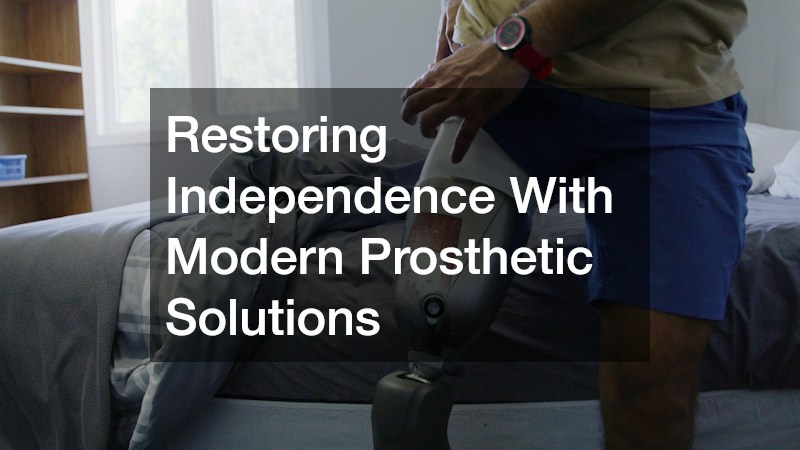
Losing a limb or living with a limb difference can change how a person moves through familiar environments. Prosthetics services bring together clinical assessment, device design, fitting, and rehabilitation to help people pursue meaningful activities. Advances in materials, joint components, and computer-assisted design may provide more customization, although access and suitability vary.
A useful prosthesis must do more than incorporate advanced technology. Comfort, skin health, weight, balance, and ease of use influence whether someone can wear a device consistently. A poorly fitting socket can create pressure points and make even simple movement difficult. Ongoing adjustments are often necessary as activity levels, residual limb volume, and physical needs change.
Some devices incorporate sensors or sophisticated control systems, while others use simpler mechanical designs. The most appropriate choice depends on the person’s goals, environment, experience, and available support. An expensive component is not automatically better for someone whose primary priority is stability during household tasks or confidence on uneven ground.
Rehabilitation is an essential part of the process. Physical and occupational therapists may help with strength, balance, safe movement, and techniques for everyday tasks. Emotional adjustment and access to peer support can matter too. By focusing on real-life function rather than technology alone, prosthetic care can support participation in work, recreation, and community life.
Rebuilding Oral Function With Restorative Dentistry
Oral health influences nutrition, speech, comfort, and confidence. When teeth are missing, restorative dentistry offers several approaches that differ in cost, maintenance, treatment time, and eligibility. Dental implants are one option. They involve placing a fixture in the jawbone to support a replacement tooth or another restoration, usually after an evaluation of bone, gum health, and overall medical circumstances.
Implant treatment can offer stability, but it also involves surgery, healing time, and ongoing hygiene. Smoking, uncontrolled medical conditions, and certain medications may affect planning or outcomes. Patients should understand the possible need for bone grafting, the expected timeline, and alternatives such as bridges or removable dentures. The right choice reflects both clinical needs and personal priorities.
Digital dentures are another example of changing dental workflows. Computer-aided scans, design software, and manufacturing methods can help dental teams plan and produce removable restorations. Depending on the process, digital records may simplify certain adjustments or future replacements. Even so, fit, bite alignment, appearance, and patient comfort still require careful professional evaluation.
Neither approach eliminates the need for routine dental visits. Gum health, cleaning habits, and changes in oral tissues can affect long-term results. People comparing options should ask how repairs, follow-up appointments, and maintenance will be handled. Successful restoration is measured not by how modern a device appears, but by whether it helps someone eat, speak, and smile comfortably.

Coordinating Treatments Around Long-Term Goals
The most productive healthcare innovations usually solve clearly defined problems. A family seeking preventive guidance, an adult managing pain, and an older person adapting to mobility changes may all benefit from different combinations of support. Treating every concern as an isolated purchase can lead to duplicated services, conflicting advice, or unrealistic expectations. Coordination creates a more complete picture.
Patients can begin by listing the symptoms or limitations they want to address, along with how those issues affect daily life. They can then ask which treatments have evidence for their specific condition, what risks exist, and what alternatives are available. Questions about total cost, insurance coverage, follow-up visits, and expected recovery can prevent surprises later.
It also helps to establish realistic checkpoints. A treatment intended to reduce pain should be assessed using changes in comfort and function, while a restorative device may be evaluated by fit, usability, and maintenance needs. When an intervention does not produce meaningful progress, the next step should be reassessment rather than automatically purchasing additional sessions.
Innovation is valuable when it expands appropriate choices and improves care without overshadowing established fundamentals. Preventive visits, timely diagnosis, clear communication, and sustainable habits remain essential. By balancing curiosity about new treatments with thoughtful professional guidance, individuals and families can make healthcare decisions that better support comfort, independence, and long-term quality of life.