
As people age, maintaining a lifestyle that supports mental and physical health becomes increasingly important. Whether it is through incorporating regular physical activities, proper healthcare, or social interactions, there are numerous strategies to encourage healthy aging. In this article, we will explore ten effective ways to promote health and wellness among seniors.
1. Engage in Regular Physical Activity

Regular physical activity is crucial for maintaining mobility and overall health in seniors. Activities such as walking, swimming, or yoga can help improve cardiovascular health, increase strength, and enhance flexibility. For those interested in more structured programs, a gym membership can offer access to a variety of classes and equipment designed for seniors.
Participation in senior-friendly physical activities not only boosts physical health but also contributes to mental well-being by reducing anxiety and depression. Joining group classes at a community center or Senior Living facility can add a social component that enriches the experience. Moreover, these physical activities offer a valuable opportunity to connect with peers who share similar interests.
It’s important for seniors to consult healthcare providers before starting any new exercise regimen. Depending on individual health conditions, seniors may be referred to senior rehabilitation service experts to tailor a suitable exercise plan. Assisted living communities often have on-site trainers to work with residents, ensuring exercises are performed safely and effectively.
In addition to structured exercise, incorporating movement into daily routines can make a significant difference. Simple habits such as gardening, stretching in the morning, or taking short walks throughout the day help maintain consistency. Over time, these small efforts contribute to improved endurance and a greater sense of independence.
2. Prioritize a Balanced Diet
A balanced diet that emphasizes fruits, vegetables, lean proteins, and whole grains is essential for seniors. Proper nutrition helps in preventing chronic diseases, maintaining a healthy weight, and improving energy levels. Healthcare professionals and palliative care services teams can provide personalized dietary plans for seniors with specific health considerations.
Incorporating a variety of food groups is crucial to ensure that seniors receive adequate nutrients and minerals for brain and heart health. Meal planning with family or community support, such as from a church service, can aid in overcoming challenges like limited mobility or dietary restrictions. Additionally, regular social meals with peers may encourage a better appetite and nutrition intake.
Educational workshops in assisted living communities often provide insights into healthy eating habits and nutrition. Residents may have access to nutrition experts who guide them on selective eating preferences while addressing dietary needs. Programs that involve cooking classes or recipe exchanges can make meal preparation a fun and collaborative activity.
Hydration is another key component of a balanced diet that is sometimes overlooked. Seniors should be encouraged to drink adequate fluids throughout the day, as dehydration can lead to fatigue and other health issues. Including water-rich foods like fruits and soups can also support proper hydration.
3. Maintain Mental Health and Cognitive Function
Mental well-being and cognitive health are fundamental to aging gracefully. Engaging in mind-stimulating activities such as puzzles, reading, and creative arts can delay cognitive decline and preserve brain function. Encouraging participation in community events or groups like a church service can also provide emotional support and valuable social interactions.
For seniors coping with mental health issues, professional assistance from counselors or therapy sessions might be beneficial. These services can sometimes be coordinated through home hospice care or centers that offer palliative support. Access to such resources helps in managing stress, anxiety, or depression effectively.
Seniors can also explore meditation and relaxation techniques to maintain mental peace. Classes held at Senior Living facilities often focus on such holistic approaches. Moreover, maintaining a routine that includes social activities is integral to promoting emotional well-being, enabling seniors to thrive mentally.
Another effective strategy is encouraging lifelong hobbies or revisiting past interests. Activities like music, storytelling, or learning a new language stimulate different areas of the brain. This variety helps maintain cognitive flexibility and keeps daily life engaging and purposeful.
4. Keep Regular Medical Check-Ups

Regular health check-ups play a critical role in early detection and prevention of age-related diseases. Seniors should adhere to scheduled visits to healthcare providers for screening tests, vaccines, and routine examinations. Those receiving hospice care have continuous access to medical evaluations and personalized care plans.
Doctors also recommend regular eye exams to ensure proper vision and detect issues early. Eyeglasses might be prescribed to improve visual acuity and enhance overall quality of life. It’s important for family members to assist their loved ones in managing appointments and following medical advice.
Maintaining open communication with healthcare professionals is key to addressing any health concerns promptly. In cases where traveling to clinics is challenging, some assisted living communities offer on-site medical services. This convenience ensures that monitoring and treatments continue without interruption.
Preventative care should also include monitoring medications and potential side effects. Keeping an updated list of prescriptions and discussing them regularly with healthcare providers helps avoid complications. This proactive approach supports long-term health stability and peace of mind.
5. Foster Social Connections
Strong social connections are vital for a fulfilling senior life. Whether it is through family gatherings, community activities, or volunteer opportunities, engaging with others reduces feelings of isolation and loneliness. Church services and community events offer platforms for seniors to connect with their peers.
Social activities can be facilitated by joining clubs or interest groups that align with personal hobbies. Participation in community centers or senior programs often sparks friendships and a sense of belonging among seniors. Encouraging seniors to actively engage in hobbies and crafts nurtures creativity while expanding their social circle.
The emotional support derived from social interactions plays a significant role in promoting mental and physical health. Senior rehabilitation service programs may include group therapy or activities that facilitate peer connection. Active involvement and interaction with others are integral to maintaining a vibrant lifestyle.
Technology can also play a role in maintaining connections, especially for those with mobility limitations. Video calls, social media, and messaging apps allow seniors to stay in touch with family and friends. These tools can help bridge distance and keep relationships strong.
6. Design a Safe and Comfortable Living Environment
Creating a safe and comfortable living environment is essential for seniors’ well-being. Stair lift installations and grab bars can significantly enhance mobility and safety within the home. These modifications help in preventing falls and accidents, promoting independence for elderly individuals.
Enhancing accessibility in living spaces involves identifying and addressing potential hazards. Adequate lighting, clutter-free spaces, and user-friendly appliances are essential for a safe home. Families should involve their loved ones in the decision-making process when considering home hospice care or adaptations to their living space.
For seniors residing in assisted living communities, facilities are designed to offer maximum safety and convenience. Many have dedicated staff to assist residents and ensure their living environment meets all safety standards. These communities often provide a balance between independence and necessary support, allowing seniors to enjoy a worry-free lifestyle.
Regular home assessments can further improve safety over time. As needs change, adjustments such as rearranging furniture or upgrading equipment may be necessary. Staying proactive ensures that the environment continues to support comfort and independence.
7. Promote a Positive Outlook and Mental Wellness

A positive outlook on life profoundly impacts seniors’ overall health and happiness. Support from loved ones, engaging in meaningful activities, and exploring personal interests contribute to maintaining a cheerful and optimistic attitude. Encouraging participation in community and church services can foster a sense of purpose and joy.
Mindful practices such as gratitude journaling, meditation, and yoga can enhance mental well-being. Seniors may find solace in these activities, reducing stress and promoting relaxation. Regularly reflecting on past achievements and setting realistic future goals also fosters motivation and satisfaction.
For those facing chronic illnesses, palliative care services offer compassionate support that emphasizes quality of life. Emotional counseling and support groups help seniors and families navigate health challenges. Emphasizing strengths and celebrating small victories are key elements in nurturing a hopeful perspective.
Surrounding oneself with uplifting environments and positive influences can further reinforce mental wellness. Listening to music, spending time in nature, or engaging in spiritual practices can provide comfort and inspiration. These experiences contribute to a balanced and fulfilling emotional life.
8. Encourage Continued Learning and Skill Development
Learning and skill development should continue as a lifelong journey, regardless of age. Pursuing new interests, whether through arts, technology, or leisure courses, can stimulate cognitive abilities and enrich daily life. Seniors can enhance their skills or acquire new knowledge by attending classes offered by assisted living communities or local educational centers.
Online resources coupled with local library programs provide access to a vast range of topics and subjects. Participating in book clubs or group study sessions can motivate seniors to engage in meaningful discussions. These interactions foster a community feeling, strengthening relationships with fellow learners.
For seniors interested in digital literacy, workshops and tutorials can be valuable in learning new technologies. Skills development not only brings excitement but also boosts self-esteem and independence. Incorporating learning into everyday life encourages a dynamic and fulfilling senior experience.
Setting personal learning goals can add structure and motivation to this process. Whether mastering a new hobby or improving an existing skill, having clear objectives helps maintain focus. Celebrating progress along the way reinforces confidence and a sense of achievement.
9. Exploring the Benefits of Assisted Living
Assisted living communities offer a supportive environment where seniors can enjoy both independence and care. These communities provide a range of services, from meal preparation to medical assistance, ensuring residents’ needs are met. The social activities and engagement opportunities available in assisted living create a vibrant and active lifestyle.
Residents in these communities benefit from on-site amenities such as fitness centers, spas, and recreational activities. Personalized care plans cater to the unique requirements of each individual, whether they need minor assistance or comprehensive care. A sense of community allows seniors to form lasting friendships and enjoy group activities.
Families considering these options for their loved ones often appreciate the balance of independence, safety, and socialization opportunities they offer. Senior Living communities integrate leisure and care services to maximize residents’ quality of life. The peace of mind derived from such a living arrangement often enhances overall family well-being as well.
Additionally, assisted living can ease the burden on family caregivers by providing professional support. This allows families to focus more on quality time rather than daily caregiving responsibilities. The collaborative care approach ensures seniors receive consistent and attentive support.
10. Prepare for End-of-Life Care
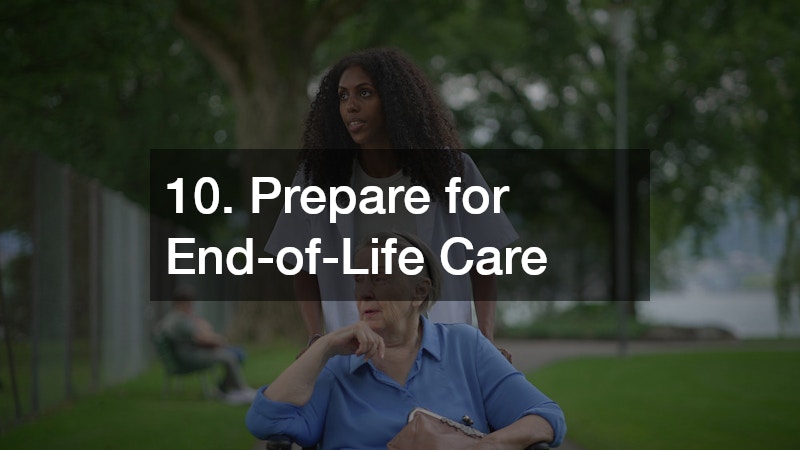
Preparing for end-of-life care is an important aspect of ensuring that seniors’ preferences are honored. Services such as hospice care offer comprehensive support focused on comfort and dignity. Discussing and planning for end-of-life care can be difficult but is essential for respecting the emotional and philosophical wishes of seniors.
Holistic approaches taken by home hospice care providers encompass medical, emotional, and spiritual support. Families and caregivers play a critical role in making these decisions, often in consultation with healthcare providers who specialize in palliative care services. Effective communication and planning ensure that seniors receive compassionate care aligned with their values and preferences.
It is crucial to address legal and financial considerations in the preparation of end-of-life care plans. Creating or updating wills, healthcare proxies, and advance directives can prevent future uncertainties. Engaging in open discussions with family members ensures peace of mind and security, emphasizing the dignity of their loved ones’ final journey.
Revisiting these plans periodically is also important, as preferences and circumstances may change over time. Keeping documentation updated and accessible ensures that decisions can be implemented smoothly when needed. This ongoing process provides reassurance to both seniors and their families.
Facilitating healthy aging for seniors involves a multifaceted approach combining physical, mental, and social well-being. By adopting strategies outlined above, seniors can enjoy a fulfilling and active lifestyle that nurtures personal growth, health, and happiness.